 listicle
Best Plant-Based Body Oils for Winter Skin Hydration
Table of Contents
- Why Winter Skin Needs Plant-Based Body Oils
- Quick Comparison: Best Plant-Based Body Oils for Winter
- The Best Body Oils for Dry Skin: Our Top Picks
- Plant-Based Body Oil for Sensitive Skin: What to Look For
- How to Use Body Oil After Shower for Maximum Hydration
- Body Oil Versus Body Lotion: Which Wins in Winter?
- Choosing Oils for Different Skin Types and Concerns
- Conclusion
- Frequently Asked Questions
Last Updated: October 18, 2026
Why Winter Skin Needs Plant-Based Body Oils
Cold air holds less moisture, and indoor heating pulls more of it out of your skin. That combination leaves many people with tight, flaky, rough skin by mid-January. Plant-based body oils help because they act as emollients: they seal water into the skin instead of adding water to it. At Keith Clark Collection, we formulate every body oil around that principle, using plant-based carrier oils and therapeutic botanicals rather than mineral oil or synthetic silicones. If your skin feels dry and uncomfortable when the temperature drops, an oil layer is often the missing step in your winter skin care routine.
Quick Comparison: Best Plant-Based Body Oils for Winter
| Product | Best For | Key Plant Oils | Price |
|---|---|---|---|
| Keith Clark Collection Aromatherapy Body Oil | Overall pick, dry and dull winter skin | Plant-based carrier oils, therapeutic botanicals | See website for current pricing |
| Mara Algae + Moringa Sea Sculpt Body Oil | Lightweight daily hydration | Algae, moringa | $68 |
| Osea Undaria Algae Body Oil | A roundup favorite for body care | Undaria algae | Check retailer |
| Saltair Nourishing Body Oil | Scent lovers | Not verified | $23 |
| Soapwalla Organic/Vegan Luxurious Body Oil | Vegan shoppers | Organic plant oils | Not listed |
The Best Body Oils for Dry Skin: Our Top Picks
These picks lean on plant-based oils and botanical ingredients. We weighted ingredient transparency, texture, and how well each one supports the skin moisture barrier in cold weather.
Keith Clark Collection: Small-Batch Aromatherapy Body Oil
Our top pick is our own small-batch body oil, made by a licensed massage therapist using plant-based ingredients and therapeutic botanicals. It delivers deep moisture and silky skin while supporting calm and comfort through scent. A common mistake is treating body oil as pure fragrance; ours is built for skin first, with aromatherapy as the bonus. Pricing varies by product, so check our site for current details.
Mara Algae + Moringa Sea Sculpt Body Oil
Moringa is rich in fatty acids, and algae brings antioxidants to the blend. The full ingredient list is not clearly plant-based, so verify before buying if that matters to you.

Osea Undaria Algae Body Oil
Undaria algae is the featured ingredient, and algae-based oils tend to feel slippery and glide well on damp skin. Pricing was not listed in the sources we reviewed, so confirm on the brand's site.
Saltair Nourishing Body Oil
If fragrance is your priority, this is a strong value. Sensitive skin types should patch test first, since scented oils can irritate reactive skin.
Soapwalla Organic/Vegan Luxurious Body Oil
The product name identifies it as organic and vegan. That makes it a solid option for plant-based shoppers who want clear labeling. The supplied sources did not list a price or detailed ingredients, so check the brand directly.
Plant-Based Body Oil for Sensitive Skin: What to Look For
Sensitive skin needs a shorter ingredient list, not a longer one. The most common triggers in plant-based body oils are added fragrance, essential oils, and certain botanical extracts, so start by reading the full ingredient list rather than the front label. "Fragrance" and "parfum" can each stand in for dozens of undeclared compounds, and essential oils such as peppermint, eucalyptus, citrus, and lavender are frequent culprits even in products marketed as natural.
Read the label in this order
- Carrier oils first. Single-ingredient carriers like jojoba, sunflower, sweet almond, and shea butter are the least likely to sting. Jojoba is a liquid wax ester that closely resembles skin's own sebum, which is why many practitioners reach for it when skin is reactive.
- Essential oils next. If the label lists an essential oil and your skin reacts easily, treat it as a scent ingredient, not a skin benefit. Choose an unscented or fragrance-free version when one exists.
- Preservatives and antioxidants last. Vitamin E (tocopherol) is common and generally well tolerated; it protects the oil from going rancid. If you see a preservative in a purely anhydrous oil, ask why it is there.
Patch test like a practitioner, not a label-reader
Apply two or three drops to the inner forearm and leave it uncovered for 24 hours. Do not test on the wrist or behind the ear, where skin is thinner and reactions are harder to read. If there is no redness, itching, or swelling, repeat on a small area of the body you plan to treat. Stop at the first sign of irritation and wash the area with a mild cleanser.
Know the common plant allergens
Nut and seed oils are the ones to flag. Sweet almond, walnut, and other tree-nut oils can affect people with nut allergies, and sesame oil is a known allergen. Refined oils are often lower in protein and may be better tolerated than cold-pressed versions, but the safest path is to confirm with your allergist before using any nut- or seed-derived oil on broken or inflamed skin. Coconut oil is another frequent sensitivity, especially on the face and neck.
When to ask a dermatologist
If you have eczema, psoriasis, or a diagnosed contact allergy, bring your product list to a dermatologist before adding a new oil. A patch test in a clinic can separate a true allergy from simple irritation, and that distinction changes what you can safely use all winter.
How to Use Body Oil After Shower for Maximum Hydration
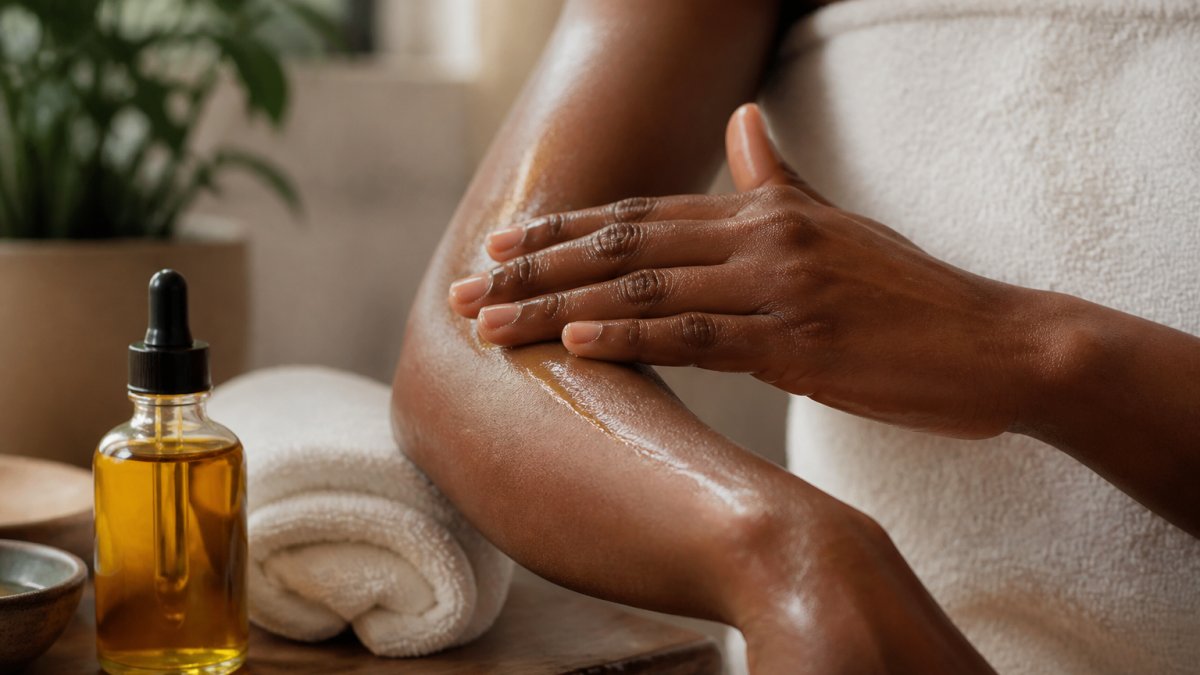
Apply body oil within three minutes of stepping out of the shower, while skin is still damp. Pat dry gently, then press a few drops into your skin with your palms rather than rubbing. The water on your skin helps pull the oil in, and the oil seals that moisture in place. Use more on rough areas like elbows, knees, and heels.
Body Oil Versus Body Lotion: Which Wins in Winter?
Neither wins outright; they do different jobs. Lotions are water-based and add hydration, while oils are emollients that lock moisture in. In winter, the strongest routine layers both: lotion first on damp skin, then oil on top to seal it. If you only have time for one step, oil holds moisture longer in cold, dry air.
Choosing Oils for Different Skin Types and Concerns
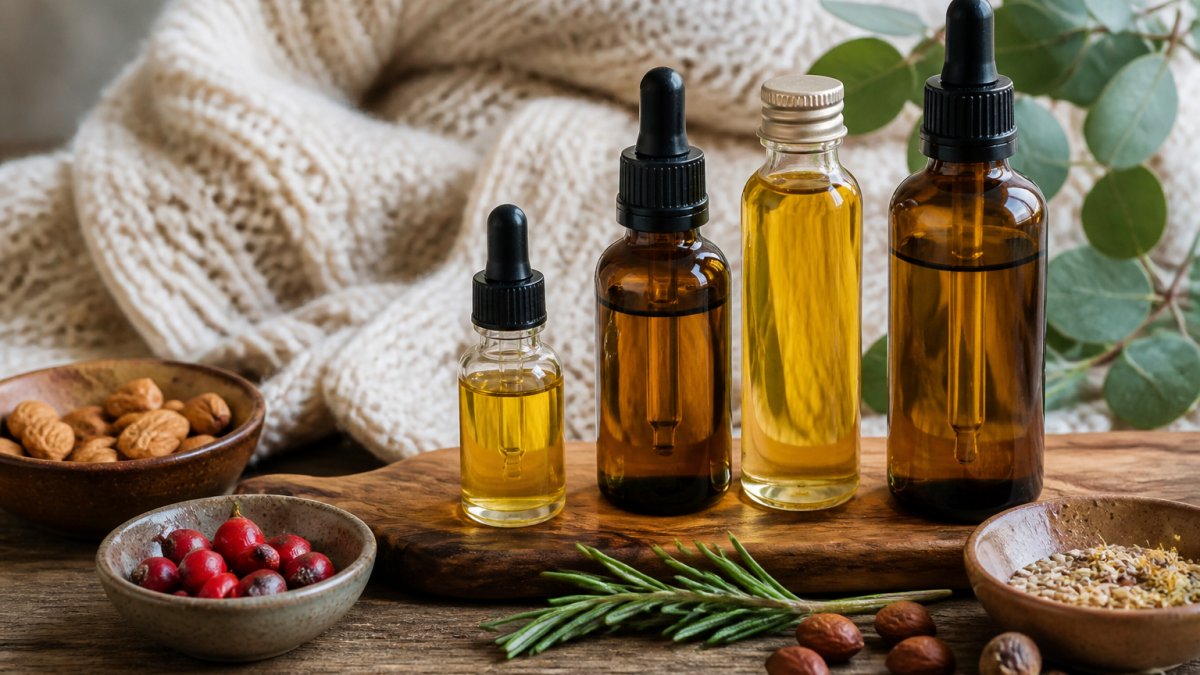
Plant oils are not interchangeable. They differ in fatty-acid makeup, how quickly they absorb, and how much of a film they leave behind, and those differences decide which one suits your skin in cold, dry air. The table below maps the most common carrier oils to those trade-offs so you can choose by concern instead of by label.
| Oil | Dominant fatty acids | Absorption | Occlusiveness | Best for | Watch-outs |
|---|---|---|---|---|---|
| Jojoba | Oleic, linoleic (wax ester) | Fast | Low | Oily, combination, reactive skin | Rare sensitivity |
| Grapeseed | Linoleic | Fast | Low | Oily skin, non-greasy finish | Can feel thin in deep winter |
| Sunflower | Linoleic | Medium | Medium | Most skin types, sensitive skin | Mild allergen for some |
| Sweet almond | Oleic, linoleic | Medium | Medium | Dry, flaky skin | Tree-nut allergen |
| Argan | Oleic, linoleic | Medium | Medium-high | Dry skin, rough texture | Price |
| Olive | Oleic | Slow | High | Very dry body skin | Heavy, can clog pores on face |
| Coconut | Lauric, myristic | Slow | High | Body only, rough patches | Comedogenic on face |
| Rosehip seed | Linoleic, linolenic | Fast | Low | Dullness, antioxidant support | Short shelf life |
| Sea buckthorn | Palmitoleic, oleic | Medium | Medium | Antioxidant support, brightening | Can stain fabric |
How to read the table
Linoleic-acid-rich oils (jojoba, grapeseed, sunflower, rosehip) tend to feel lighter and absorb quickly. They suit oily, combination, and reactive skin, and they are the better pick when you want a non-greasy finish under clothing.
Oleic-acid-rich oils (olive, sweet almond, argan) are richer and leave more of a film. They suit dry, rough, flaky body skin and are the ones to reach for on elbows, knees, and heels in January.
High-occlusiveness oils (coconut, olive) slow water loss best but can clog pores and feel heavy. Keep them for the body, not the face, and use them sparingly on the back and chest if you are acne-prone.
Match the oil to the concern
- Sensitivity or reactivity: start with jojoba or sunflower, unscented, and patch test first.
- Roughness and flaking: layer sweet almond or argan over a water-based moisturizer on damp skin.
- Dullness or uneven tone: rosehip seed and sea buckthorn bring antioxidants; use them at night and expect gradual change, not overnight brightening.
- Non-greasy finish: grapeseed or jojoba, applied in small amounts to damp skin.
A note on "plant-based"
Plant-based means the carrier oils and botanicals come from plants, but it does not guarantee a product is vegan or free of animal-derived additives. Lanolin, beeswax, and some vitamin D sources are animal-derived, and "fragrance" can hide synthetic compounds. Read the full list if transparency matters to you, and look for brands that disclose the source of each oil.
Conclusion
Winter dryness is manageable, but it takes the right oil applied the right way. Keith Clark Collection makes small-batch, plant-based body oils with therapeutic botanicals, created by a licensed massage therapist for deep moisture and calm. Browse our collection to find the blend that fits your skin and your senses.
Frequently Asked Questions
Should you apply body oil to wet or dry skin?
Apply body oil to damp skin, right after a shower or bath, while your skin is still holding moisture. Pat dry gently, then smooth the oil over your skin within three minutes of stepping out. The water on your skin helps pull the oil in and seals in hydration. Dry skin absorbs oil more slowly and can feel greasy, so the damp-skin method gives you the best results with less product.
Can plant-based body oils help with winter dryness?
Yes. Winter air holds less moisture, and indoor heating pulls water from your skin. Plant-based body oils act as emollients that slow water loss and support your skin moisture barrier. Oils rich in fatty acids, like jojoba, sweet almond, and argan, are especially good at this. For best results, pair oil with a humidifier and a gentle cleanser so your skin stays hydrated from the inside out.
What oils should you avoid on your skin?
Avoid synthetic fragrance oils if you have sensitive skin, since they are a common cause of irritation. Some people react to citrus essential oils, peppermint, or eucalyptus, especially on the face. Coconut oil can clog pores for acne-prone skin. If you are trying a new plant-based body oil, patch test on your inner arm for 24 hours first. Check labels for added dyes and preservatives that can trigger reactions.
How often should you use body oil in winter?
Use body oil once daily, ideally right after your evening shower, to lock in moisture overnight. If your skin is very dry or flaky, you can apply a second layer in the morning on rough areas like elbows, knees, and heels. During harsh winter weeks, a daily routine with a plant-based body oil for winter skin hydration keeps skin soft and supple. Adjust frequency if you notice greasiness or breakouts.
Is body oil better than body lotion for dry skin?
Body oil and body lotion work differently. Lotions are water-based and absorb quickly but may not last through winter dryness. Oils are emollients that form a barrier and lock in moisture longer, which helps rough and flaky skin. Many people layer both: lotion first for hydration, then oil on top to seal it in. For very dry skin, a plant-based body oil often gives longer-lasting softness.