 comparison
Buy Natural Aromatherapy Body Oil: 2026 Review Guide
Table of Contents
- How to Choose a Natural Aromatherapy Body Oil
- Top Picks for a Natural Aromatherapy Body Oil
- Keith Clark Collection: Small-Batch Body Oil Made by a Licensed Massage Therapist
- Primally Pure Blue Tansy Body Oil: Six Certified Organic Oils
- Majestic Pure Jojoba Oil: Affordable Base for DIY Blends
- Nécessaire The Body Oil: Fast-Absorbing Luxury Texture
- Palmer's Tahitian Vanilla Body Oil: Budget Hydration With Scent
- Which Body Oil Has the Best Smelling Scent Profile?
- The Best Body Oil for Dry Skin: Ingredients That Hold Moisture
- Using Body Oil as a Natural Massage Oil
- What Makes a Non-Toxic Body Oil (and What to Avoid)
- Frequently Asked Questions
Last Updated: October 5, 2026
How to Choose a Natural Aromatherapy Body Oil
Walk into any beauty aisle and you will find dozens of bottles labeled "natural." Few of them explain what is actually inside. That gap matters when you want to buy natural aromatherapy body oil that genuinely supports your skin and your mood rather than just smelling pleasant.
Aromatherapy body oil is a plant-based blend of carrier oils and essential oils designed to moisturize skin while delivering scent-driven therapeutic benefits.
Carrier Oils, Essential Oils, and What They Actually Do
Carrier oils do the heavy lifting. Jojoba oil, sweet almond oil, coconut oil, and avocado oil carry fatty acids and vitamins that soften and nourish skin, and they dilute concentrated essential oils to a safe strength.
Essential oils supply the scent profile and the aromatherapy effect. Lavender leans calming, citrus leans uplifting, and eucalyptus leans clearing. A common mistake is judging a bottle by its fragrance alone.
Top Picks for a Natural Aromatherapy Body Oil
Five options stand out in 2026, and they serve very different shoppers. Here is how they compare before we get into the details.
| Product | Starting Price | Key Ingredients | Best For |
|---|---|---|---|
| Keith Clark Collection | Varies by size | Plant-based oils, therapeutic botanicals | Aromatherapy plus muscle relief |
| Primally Pure Blue Tansy | $26.00 | Six certified organic oils | Clean, organic routines |
| Majestic Pure Jojoba Oil | $8.99 | 100% cold-pressed jojoba | DIY essential-oil blends |
| Nécessaire The Body Oil | $52.00 | Essential fatty acids | Fast-absorbing luxury feel |
| Palmer's Tahitian Vanilla | $8.00-$12.00 | Cocoa butter, shea, Vitamin E | Budget hydration with scent |
Keith Clark Collection: Small-Batch Body Oil Made by a Licensed Massage Therapist
Our top pick is Keith Clark Collection, and the reason is simple: the formulas come from someone who works with bodies for a living.
That background shows up in how the oils perform. They provide deep moisture and silky skin, and they offer natural relief for sore muscles, joints, and nerves, which is exactly what you want from a product built for massage and daily body care.
The honest limitation: small-batch production means availability shifts, and you will not find these on a drugstore shelf. For shoppers who want a natural massage oil and a moisturizer in one bottle, that tradeoff is worth it.
Primally Pure Blue Tansy Body Oil: Six Certified Organic Oils
Primally Pure built this formula around six certified organic oils, including coconut, kukui nut, argan, pomegranate seed, and sweet almond. That is a genuinely clean ingredient list, and the lightweight texture suits daily use without leaving a heavy film.
At $26.00, it sits in the middle of this group. The catch is availability. This is not a mass-market brand, so restocks can be unpredictable, and you may wait between orders.
Majestic Pure Jojoba Oil: Affordable Base for DIY Blends
Majestic Pure sells 100% pure, cold-pressed jojoba oil for $8.99, and it does one thing well: it gives you a neutral base.
What it does not do is smell like anything. There is no pre-blended scent profile, no aromatherapy formulation, and no guidance on dilution ratios. This is a bottle for tinkerers, not for someone who wants a finished product.
Nécessaire The Body Oil: Fast-Absorbing Luxury Texture
Nécessaire positions this oil as a premium daily replenisher, and the texture is the selling point. It absorbs quickly, leaves no greasy residue, and carries a high-quality fatty-acid profile. At $52.00, it is the most expensive option here.
The price buys you feel and finish more than scent complexity. If you want a luxury body-care step that disappears into the skin, this delivers. If you want aromatherapy, look elsewhere.
Palmer's Tahitian Vanilla Body Oil: Budget Hydration With Scent
Palmer's combines cocoa butter, shea butter, and Vitamin E with a Tahitian vanilla fragrance, and it advertises up to 72 hours of hydration. At roughly $8 to $12, it is the most accessible bottle in this comparison.
The tradeoff is transparency. That vanilla note comes from fragrance rather than a named essential-oil blend, which rules it out for anyone building a strictly non-toxic body oil routine or managing sensitive skin.
Which Body Oil Has the Best Smelling Scent Profile?
Scent is personal, but it is not random. Aromatherapy body oils fall into recognizable note families, and matching the family to the moment you plan to use the oil is more useful than chasing a single "best" scent.
| Note Family | Typical Botanicals | Common Use Moment | Examples From This List |
|---|---|---|---|
| Floral / calming | Lavender, chamomile, blue tansy | Evening wind-down, pre-sleep | Primally Pure Blue Tansy |
| Herbal / clearing | Eucalyptus, rosemary, mint | Morning, post-workout, congestion | Keith Clark Collection blends |
| Citrus / uplifting | Sweet orange, grapefruit, bergamot | Morning, before leaving the house | DIY jojoba blends with added citrus |
| Warm / grounding | Vanilla, sandalwood, resins | Cold weather, evening | Palmer's Tahitian Vanilla |
| Unscented / neutral | None (carrier only) | Layering under your own blend | Majestic Pure Jojoba Oil |
How concentration shapes what you smell. Essential oils are the smaller portion of any aromatherapy blend by volume, and that ratio is what determines whether a scent reads bright for twenty minutes or stays present for hours.
Longevity on warm skin. A scent you love on a tester strip can turn cloying after an hour on warm skin, because body heat volatilizes the lighter molecules first and leaves the heavier base notes behind. Two practical habits help:
- Apply to damp skin right after a shower. The oil spreads thinner, so the scent stays softer and more even.
- Layer rather than overload. A neutral carrier like jojoba under a scented oil lets you dial the intensity up or down without buying a second bottle.
The Best Body Oil for Dry Skin: Ingredients That Hold Moisture
For dry skin, the best body oil is one rich in oleic and linoleic fatty acids, applied within three minutes of showering while skin is still damp.
The three jobs an oil can do. Reading a label gets easier once you know which role each ingredient plays:
- Emollients fill the gaps between skin cells and make skin feel soft. Most carrier oils, including jojoba, sweet almond, and avocado, are emollients.
- Occlusives sit on the surface and slow water loss. Shea butter, cocoa butter, and coconut oil lean occlusive, which is why they feel richer and last longer.
- Humectants pull water toward the skin. Glycerin is the common one, and it is why some body oils feel slightly wet before they absorb.
A dry-skin formula usually combines all three.
Match the ingredient to the patch of skin.
| Skin Area or Concern | Ingredient to Look For | Why |
|---|---|---|
| Overall dryness after showering | Avocado oil, sweet almond oil | High in oleic acid, spreads easily over large areas |
| Rough elbows, heels, knees | Shea butter, cocoa butter | Occlusive, stays put longer |
| Dry but breakout-prone back or chest | Jojoba oil | Closest to skin's own sebum, less likely to clog pores |
| Reactive or sensitive skin | Short ingredient list, named botanicals only | Fewer potential irritants to patch test against |
How much to use, and when. Start with about a quarter-size pool for each limb and adjust from there.
Reading the label for dry-skin suitability. A short ingredient list with named botanicals is easier to trust than a long one padded with fragrance.
Value per ounce, not price per bottle. A $52 bottle and an $8 bottle can cost very different amounts per use once you factor in how much you apply per session and how often you reapply. Rich, occlusive formulas often need less per application than light carriers, so the higher upfront price does not always mean a higher cost per month. Compare the size on the label against your typical application rate before deciding which bottle is actually the better value for dry skin.
Using Body Oil as a Natural Massage Oil
Body oil works as a natural massage oil because it gives hands glide without the tacky residue lotions leave behind. Warm a small amount between your palms first, then work in long strokes toward the heart.
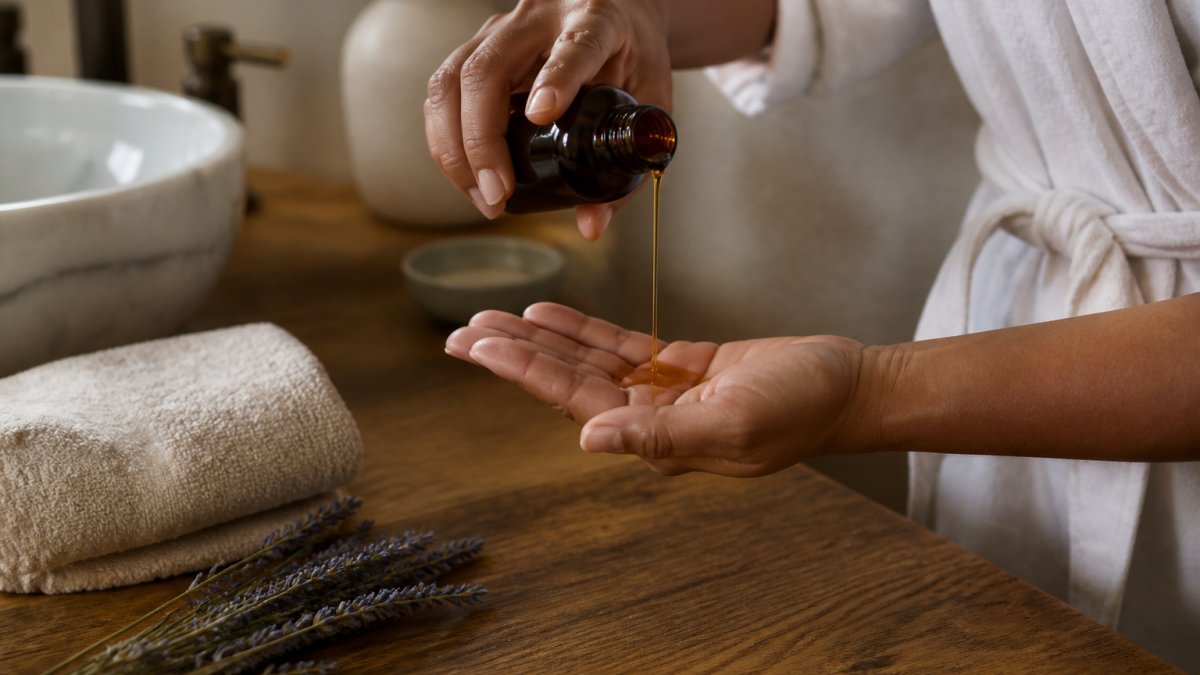
For sore muscles, joints, and nerves, look for warming botanicals and a formula built with bodywork in mind. Keith Clark Collection was created by a licensed massage therapist, so the texture and slip are designed for actual hands-on work rather than just post-shower application.
What Makes a Non-Toxic Body Oil (and What to Avoid)
A non-toxic body oil names every botanical on the label and skips synthetic fragrance, parabens, phthalates, and mineral oil. If the ingredient list hides behind the word "fragrance," you cannot verify what is in the bottle.
The FDA guidance on cosmetic labeling explains that "fragrance" can legally stand in for a proprietary mixture, which is why transparent brands list each essential oil separately. For sensitive skin, that transparency is the whole point.
Frequently Asked Questions
What is the best smelling natural body oil?
The best smelling natural aromatherapy body oil depends on the scent family you prefer. Vanilla and cocoa butter blends read warm and sweet, blue tansy and botanical infusions lean herbal and calming, and citrus-forward blends feel brighter. Look for products that list essential oils or botanical infusions by name rather than "fragrance" or "parfum," since synthetic fragrance-free formulas let the plant scents carry the profile. If you can, smell a sample or start with a smaller bottle before committing to a full size.
How do I choose a natural aromatherapy body oil?
Start with your goal: hydration, massage, or scent for emotional well-being. Check the carrier oils first (jojoba, sweet almond, coconut, avocado), since these decide how the oil feels and absorbs. Then look at the essential-oil blend and confirm it is listed by name. Match the texture to your skin type: lightweight and non-greasy for daily use, richer for very dry skin. Finally, check the product size and price per fl oz so you can compare value across brands.
Can aromatherapy body oil be used for massage?
Yes. A natural massage oil needs enough slip to let hands glide without dragging the skin, and most carrier-oil blends provide that. Jojoba and sweet almond oils are common bases because they stay workable during a longer massage. If you want scent to support relaxation, choose a blend with lavender or similar calming botanicals. Formulas made by a licensed massage therapist are often built specifically for this use, though any skin-safe body oil works if you patch test first.
What ingredients should I look for in a natural body oil?
Look for named carrier oils such as jojoba, sweet almond, coconut, or avocado, plus essential oils or botanical infusions listed individually. Antioxidants and vitamins, including vitamin E, help support skin condition over time. Avoid products where "fragrance" or "parfum" appears without explanation, since that term can hide synthetic compounds. If you have sensitive skin, a shorter ingredient list with plant-based ingredients and no added synthetic fragrance is usually the safer starting point.
How should I apply body oil for dry skin?
Apply to damp skin right after a shower, while pores are open and moisture is still on the surface. Warm a few drops between your palms and press the oil into your legs, arms, and torso rather than rubbing hard. For very dry areas like elbows, knees, and heels, layer a second pass. A body oil for dry skin works best when it seals in water, so pairing it with a hydrating lotion underneath can extend the effect. Patch test on your inner arm first if your skin reacts easily.
Choosing a body oil comes down to matching ingredients to your skin and scent to your mood, and that is harder than it should be when most labels stay vague. At Keith Clark Collection, we make that decision easier with small-batch, aromatherapy-powered formulas built by a licensed massage therapist, using plant-based ingredients and therapeutic botanicals that moisturize deeply and support calm, clarity, and comfort. Shop by category and find the blend that fits your routine.