 blog
blog
Artisanal Wedding Favors for Guests: 2026 Guide
Table of Contents
- Why Artisanal Wedding Favors for Guests Beat Bulk-Bought Trinkets
- How Much Do Artisanal Wedding Favors Cost?
- Sustainable and Eco-Friendly Favor Ideas Guests Keep
- Edible and Gourmet Treats: Small-Batch Favorites Guests Eat
- Aromatherapy Wedding Favors That Double as Keepsakes
- How to Package Artisanal Wedding Favors So They Feel Like Gifts
- Luxury Wedding Favors for Guests: What Justifies the Splurge
- Frequently Asked Questions
Last Updated: September 30, 2026
Why Artisanal Wedding Favors for Guests Beat Bulk-Bought Trinkets
Most wedding favors end up in a landfill before the couple's first anniversary, the truth behind tulle-wrapped almonds and plastic keychains. Artisanal wedding favors for guests flip that equation with small-batch goods people actually want to take home.
How Much Do Artisanal Wedding Favors Cost?
Artisanal wedding favors cost more per guest than mass-produced alternatives, but the gap is smaller than most couples expect. Pricing depends on quantity, materials, customization, and timeline, so request quotes directly from makers.
What Drives the Price of Small-Batch Favors
Four factors drive small-batch favor costs:
- Batch size: Smaller runs mean higher per-unit labor costs
- Ingredients and materials: Organic, plant-based, or locally sourced inputs cost more
- Customization: Custom labels, scents, or packaging add setup fees
- Timeline: Rush orders usually carry surcharges
| Favor Type | Relative Cost | Best For | Keepsake Value |
|---|---|---|---|
| Bulk trinkets | Lowest | Very large guest counts | Low |
| Edible treats | Low to mid | Cocktail receptions | Low |
| DIY projects | Mid | Crafty couples, small weddings | Mid |
| Small-batch body care | Mid to high | Wellness-minded guests | High |
| Luxury artisan goods | Highest | Intimate, formal weddings | Highest |
For current pricing on small-batch aromatherapy favors, check the maker's website directly.
Sustainable and Eco-Friendly Favor Ideas Guests Keep
Eco-friendly favors work best when the item itself is reusable, not just the packaging. A bamboo utensil set or beeswax wrap outlives the wedding; a seed packet in recycled paper usually doesn't. The question most guides skip is what happens the Monday after the reception.
The disposal test: run every favor through it before you buy
Before you commit to a favor, ask three questions:
- Will a guest use it at least once a month for a year? If not, it is decor, not a favor.
- Can it be composted, refilled, or donated without special handling? If it needs a hazardous-waste drop-off or a specialty recycler, most guests will bin it.
- Does the packaging survive the trip home? A compostable kraft box that crushes in a tote bag defeats the purpose.
Zero-waste event planners often design the favor so the container is the gift, a refillable tin, reusable glass jar, or cloth pouch that becomes a travel bag. That removes the disposal problem entirely.
Artisan-made options that pass the test
These categories hold up because the maker controls both ingredients and packaging:
- Succulents in compostable pots: Guests replant them; the pot breaks down in a home compost pile.
- Beeswax candles: Natural, long-burning, hand-poured, biodegradable, with a cotton wick.
- Organic seed kits: Choose open-pollinated, non-GMO seed from a regional grower so plants thrive in your guests' climate.
- Reusable cloth napkins: Doubles as table decor and gets used for years.
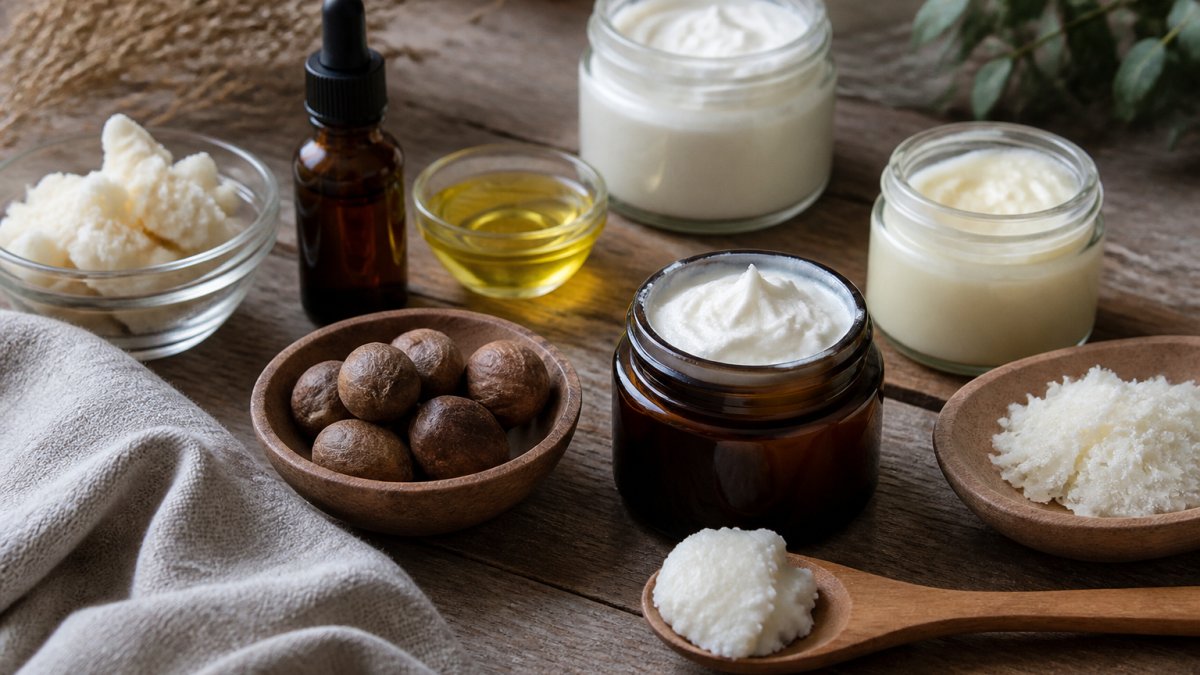
- Small-batch balms in tins: Refillable and plastic-free; ask about a refill program.
- Bar shampoo or soap: Paper-wrapped, plastic-free, consumed completely.
What "ethical sourcing" actually means on a favor label
"Sustainable" is unregulated marketing language, and "ethical sourcing" is not a legal term either, but you can verify it by asking four questions:
- Where do the raw ingredients come from, and who grows or harvests them?
- Are the ingredients certified by a third party (USDA Organic, Fair Trade Certified, or similar)?
- Is the packaging plastic-free, and is it curbside-recyclable or home-compostable in most municipalities?
- Does the maker publish an ingredient list and a batch date?
Post-wedding disposal: a simple plan
According to EPA guidance on reducing wedding and event waste, planning reuse and donation before the event prevents most favor waste. A workable plan looks like this:
- Unopened edibles: Donate to a local food bank or shelter within the labeled shelf life. Call ahead, many accept sealed, commercially packaged items but not homemade goods.
- Plant-based packaging: Compost at home or through a municipal program; "compostable" plastic often requires an industrial facility.
- Leftover keepsakes: Offer them to your vendor team, donate to a shelter, or list them on a local Buy Nothing group.
- Aromatherapy and skincare items: Check the batch date; most small-batch body care has a 12-24 month shelf life.
Edible and Gourmet Treats: Small-Batch Favorites Guests Eat
Edible favors solve the "what do I do with this?" problem because they disappear, and gourmet options support local, small-batch producers.
Popular choices include:
- Local honey in mini jars
- Handmade chocolates or caramels
- Artisan olive oil or infused vinegar
- Small-batch spice blends
- Custom-blended tea or coffee
Aromatherapy Wedding Favors That Double as Keepsakes
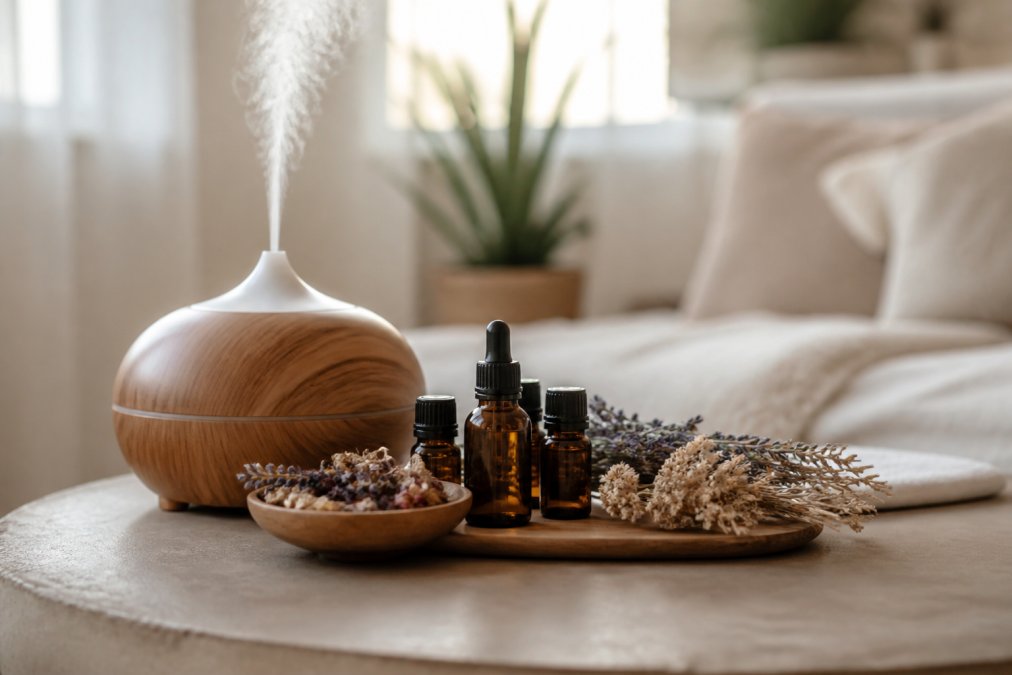
Aromatherapy wedding favors are the rare category guests keep using months later. A well-made essential oil blend or hand-poured candle becomes part of a daily routine, not a drawer item.
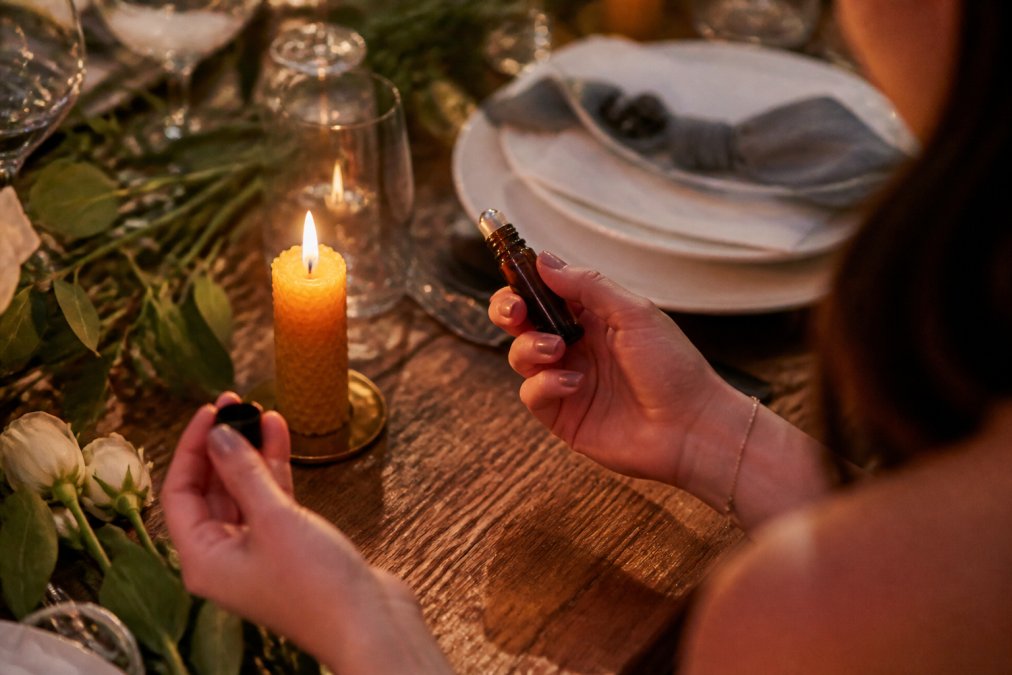
Look for:
- Rollerball blends: Portable and easy to reorder
- Massage oils: Practical for sore muscles and joints
- Room and linen sprays: Extend the scent into the home
- Beeswax candles: Aromatherapy plus ambiance
How to Package Artisanal Wedding Favors So They Feel Like Gifts
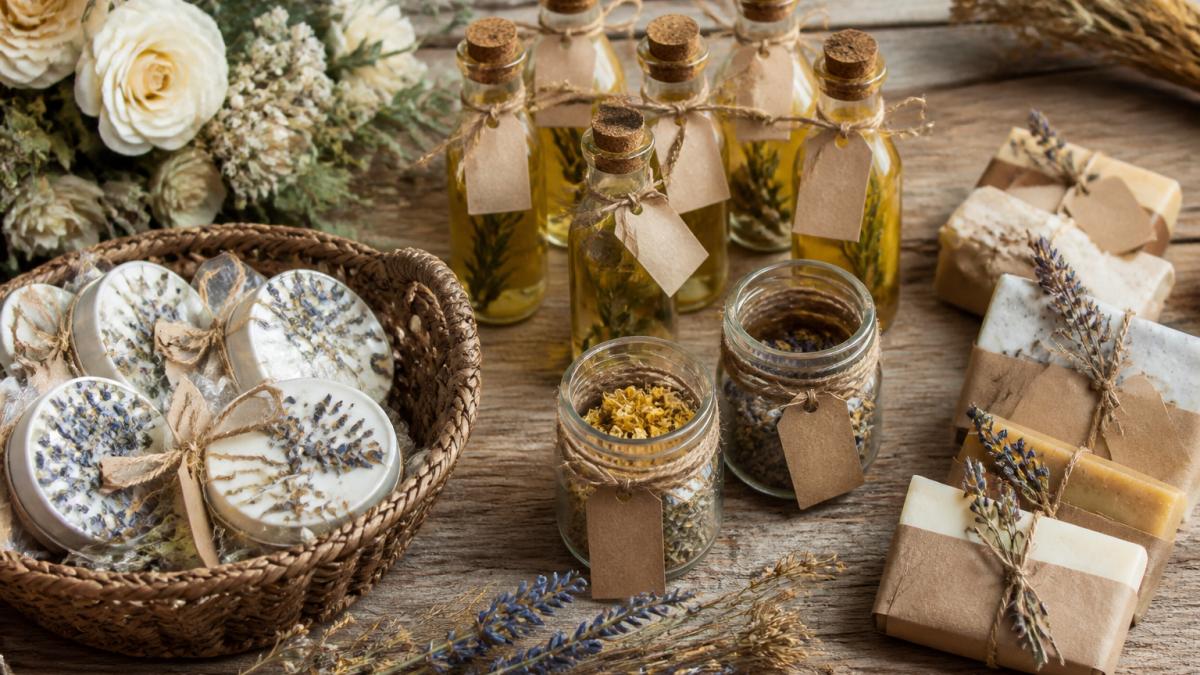
Packaging is where most couples lose the "gift" feeling. A beautiful item in a plastic bag reads as a handout. The same item in a kraft box with a handwritten tag reads as a present.
Use this packaging checklist:
- Choose a box or pouch that fits the item snugly
- Add a handwritten or printed name tag
- Use natural twine, ribbon, or washi tape
- Include a small card explaining the maker and ingredients
- Test one assembled favor before committing to the full batch
- Confirm the display fits your table setting
Luxury Wedding Favors for Guests: What Justifies the Splurge
Luxury favors earn their price when the item is genuinely better, not just more expensive. Handcrafted, small-batch goods justify the splurge because the labor and ingredients show in the finished product, yet most guides describe luxury in adjectives without saying what to look for.
The artisan profile: the single best signal of quality
A real artisanal favor comes with a maker attached, not a famous name, but a person or small studio whose training, materials, and process you can verify. Ask:
- Who made it? A named maker, studio, or cooperative, not "designed in" a country with no production detail.
- What is their training or trade background? A licensed massage therapist formulating body care, a beekeeper pouring candles, a ceramicist throwing pots.
- How large is a batch? Small-batch usually means dozens to a few hundred units, not thousands.
- Can they show the process? Photos of the workbench, pour, kiln, or harvest signal that the maker is the producer, not a reseller.
Ethical sourcing: what to verify, not just what to hear
"Ethically sourced" is a marketing phrase, not a certification. Verify it with documents:
- Third-party certifications: USDA Organic, Fair Trade Certified, or a comparable program.
- Traceability: The maker can name the farm, cooperative, or supplier, not just the country.
- Ingredient disclosure: A full INCI or ingredient list on the label, plus a batch or lot number.
- Packaging claims: "Compostable" and "recyclable" vary by municipality; ask which stream the packaging belongs in.
Limited runs and the craft-process premium
Limited runs are not a scarcity gimmick when they are a byproduct of how the item is made: a hand-poured candle cures for days, cold-process soap for weeks, and a small-batch balm is filled by hand. Those timelines cap output, and the cap is what you pay for.
What that looks like in practice:
- Hand-poured candles: Poured in small trays, cured, and trimmed by hand, the wick and wax pool behave differently than a machine-poured pillar.
- Cold-process soap: Cured four to six weeks, producing a harder, longer-lasting bar than melt-and-pour.
- Small-batch body care: Formulated in numbered batches with a batch date, so you can trace what your guests received.
- Hand-thrown ceramics: Slight variation is proof of handwork, not a defect.
Presentation that matches the item
Luxury presentation is not more packaging, it is packaging that respects the item. A hand-thrown ceramic dish in a plastic clamshell undercuts the price you paid; the same dish in a kraft box with tissue and a maker card reads as a gift. Match the container to the craft: paper for soaps and balms, cloth for ceramics, wood or metal for counter pieces.
When the splurge is worth it
For intimate weddings, one well-made luxury favor beats three cheap ones, guests remember quality, not quantity. If you cannot name the maker and describe how the item was produced, you are paying a luxury price for a mass-market product. If you can, the favor becomes a small object your guests keep.
Frequently Asked Questions
What are some unique artisanal wedding favor ideas?
Look beyond standard trinkets. Small-batch options include hand-poured beeswax candles, seeded paper packets that guests plant later, custom-blended aromatherapy roll-ons, and locally sourced honey in mini jars. Succulents in handmade pots and bamboo utensils also work well. The best artisanal wedding favors for guests reflect your theme and feel personal, not mass-produced.
How do you choose practical wedding favors for guests?
Start by asking what guests will actually use. Edible treats, mini skincare items, and reusable goods like tote bags or tea towels tend to get taken home. Avoid items that are purely decorative. Match the favor to your guest list and venue: a beach wedding calls for different choices than a formal ballroom. Practicality plus a personal touch keeps your favors memorable.
Are small-batch wedding favors worth the extra cost?
They can be. Small-batch favors often use higher-quality ingredients and support independent makers, so guests notice the difference. However, pricing depends on quantity, materials, and customization. If your budget is tight, choose one standout artisanal item per couple instead of one per person. Always request quotes directly from makers to compare.
How far in advance should you order artisanal wedding favors?
For small-batch items, start three to six months before the wedding. Artisans often have limited production windows, especially during peak wedding season. Confirm shipping and delivery dates in writing, and order a sample first to check quality and packaging.