 blog
blog
Luxe and Co Alternatives: Artisanal Skincare Guide
Table of Contents
- What Luxe and Co Is and Why Shoppers Seek Alternatives
- How to Evaluate Artisanal Skincare Brands
- Plant-Based Skincare Brands: Ingredients That Matter
- Aromatherapy Skincare: Scent as Part of Your Routine
- Small-Batch Body Care: Consistency, Quality, and Value
- Luxe and Co Alternatives: A Direct Comparison
- Conclusion
- Frequently Asked Questions
Last Updated: October 16, 2026
What Luxe and Co Is and Why Shoppers Seek Alternatives
Shoppers searching for Luxe and Co alternatives are usually chasing one thing: the same polished, spa-like feel without the premium markup that comes with a big-name label. Luxe and Co built its reputation on approachable luxury skincare, but a growing number of buyers want the same experience from smaller, more transparent makers. At Keith Clark Collection, we hear this constantly from customers who loved the aesthetic but wanted something more personal.
Luxe and Co is a skincare and body care brand known for premium-positioned, aesthetically packaged products sold through a modern direct-to-consumer model. Its appeal is real, and so is the reason people look elsewhere.
The main drivers behind the search:
- Price-to-quality scrutiny. Buyers want to know what the markup actually pays for.
- Ingredient transparency. Shoppers increasingly read labels before they buy.
- Small-batch and artisanal appeal. Handcrafted goods feel more personal than mass production.
- Values alignment. Many consumers now prioritize supporting Black-owned and independent businesses.
That last point matters more than most guides admit. When you buy from a small maker, you are often buying a person's craft, not a marketing department.
How to Evaluate Artisanal Skincare Brands
Evaluating an artisanal skincare brand comes down to five checks: ingredient sourcing, batch consistency, maker credentials, honest claims, and cost per use. Skip any one of these and you are guessing.
1. Ingredient sourcing. A trustworthy artisanal skincare brand tells you what is inside and why. Look for plant-based ingredients you recognize, and be wary of vague terms like "natural blend" with no breakdown. A useful test: can you name the carrier oil, the botanical extract, and the preservative on the label without a search? If not, the formula is hiding something.
2. Batch consistency. Small-batch production is a feature, not a flaw, but it requires discipline. A serious maker documents every batch so results stay stable. Ask how they handle batch-to-batch variation. The good ones have a written process. The ones who shrug are the ones to avoid.
3. Maker credentials. Who formulates the product? A licensed professional brings training that a hobbyist does not. A massage therapist, esthetician, or cosmetic chemist will understand how a formula behaves on skin over weeks, not just on the first application.
4. Honest claims. If a brand promises relief for sore muscles, it should explain the mechanism, not just assert it. Claims about calming, clarifying, or moisturizing should map to a specific ingredient doing that job.
5. Cost per use. This is the check most shoppers skip, and it is the one that separates real value from marketing. Do the math before you buy:
- Divide the price by the number of uses in the container. A 4 oz body oil used at roughly 1 teaspoon per application yields about 24 applications. At $28, that is about $1.17 per use. A 16 oz drugstore lotion at $12 used at 1 tablespoon per application yields about 32 applications, or about $0.38 per use.
- The artisanal product often replaces a separate fragrance or aromatherapy step, which changes the comparison.
- Factor in shipping and returns. A product with shipping costs and a return window can cost more per use than the sticker price suggests if you end up returning it.
How this guide was built. Recommendations here come from desk research on publicly listed ingredients, published price and size data from brand storefronts, and patterns reported by shoppers in reviews. Where a claim depends on hands-on testing, it is labeled as such. Prices and sizes change; verify current figures before buying.
Durability and care. Store plant-based oils and botanical extracts away from direct sunlight and heat, keep water out of the container, and check the batch date. If the scent turns sharp or the texture separates, it is past its useful life.
Sizing and fit. Body care does not have a size chart the way apparel does, but it has an equivalent: patch testing and application volume. Test on a small area of inner arm for 24 hours before full use, especially with essential-oil-heavy formulas. If a product irritates, the return policy matters more than the review average.
Plant-Based Skincare Brands: Ingredients That Matter
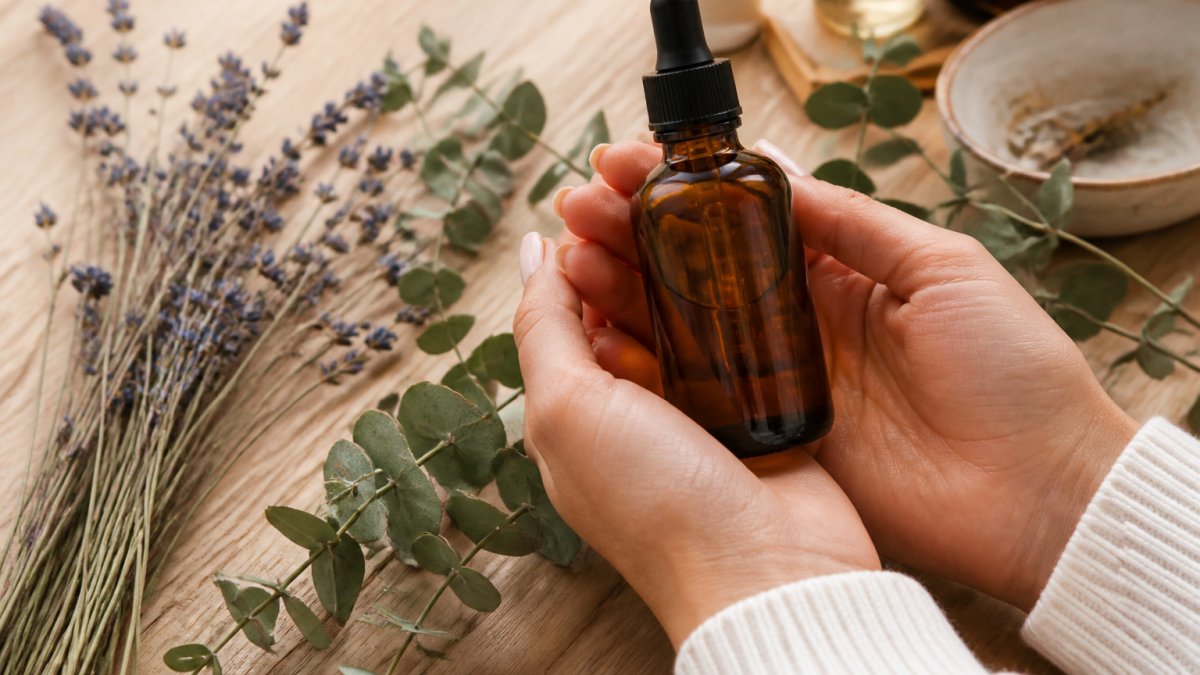
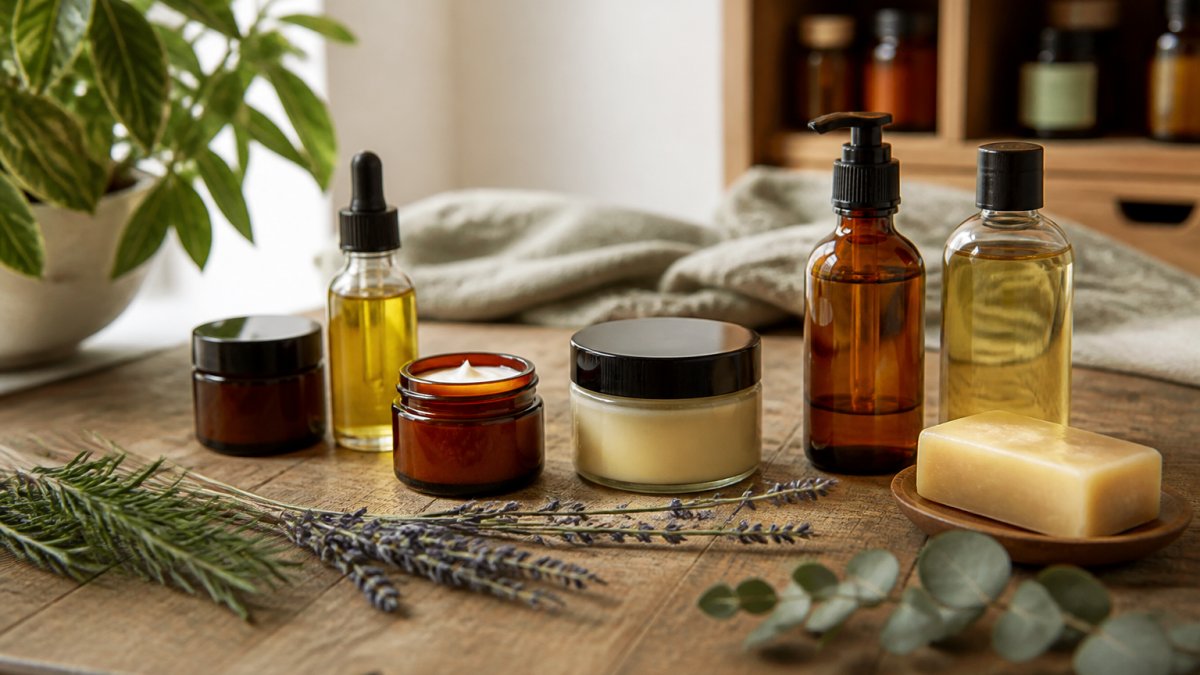
The best plant-based skincare brands lead with a short ingredient list where every item earns its place. Fewer, better ingredients beat a long list of filler. Here is what to look for, with the specific names that matter.
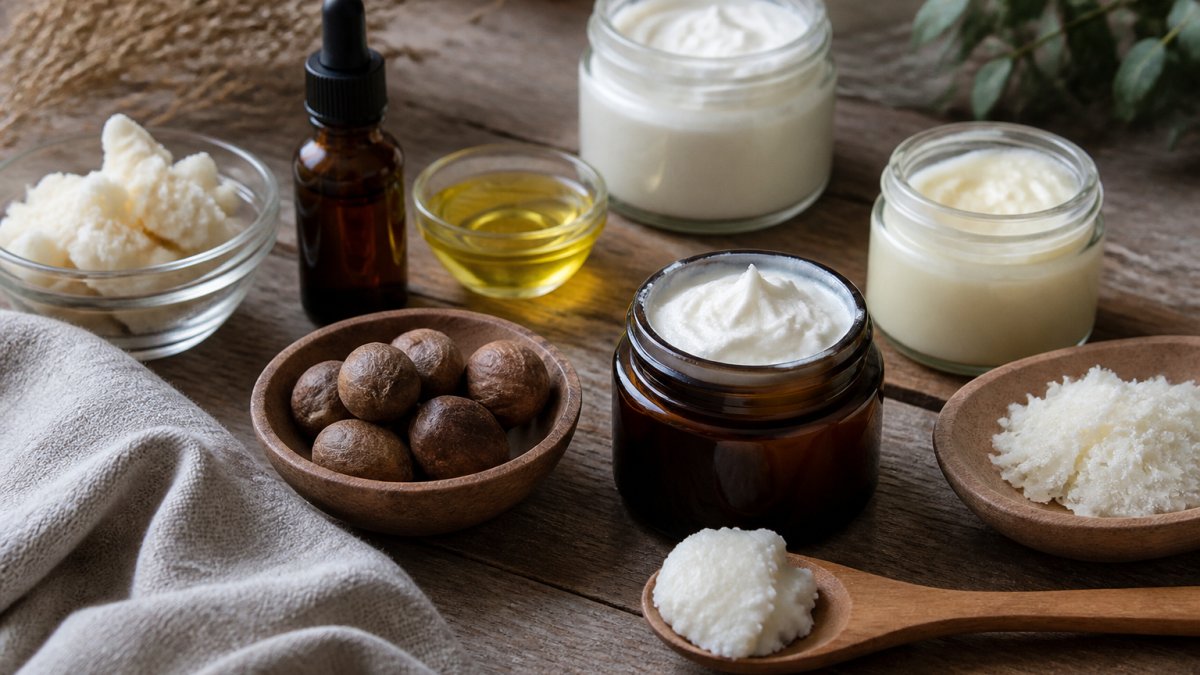
Carrier oils that moisturize without a heavy residue:
- Jojoba oil, closest in structure to human sebum, absorbs quickly, rarely clogs pores. Common in facial and body oils.
- Sweet almond oil, lightweight, mild scent, good for most skin types. A workhorse in massage and body care.
- Sunflower seed oil, high in linoleic acid, supports the skin barrier, and is one of the most affordable quality carriers.
- Fractionated coconut oil, stays liquid, absorbs fast, and does not go rancid as quickly as whole coconut oil.
Botanical extracts chosen for a specific purpose, not decoration:
- Lavender, traditionally used for calming scent and skin-soothing.
- Eucalyptus, used for a cooling, clarifying feel, common in muscle and chest products.
- Chamomile, associated with reducing the look of redness and irritation.
- Calendula, often used in products for sensitive or dry skin.
Preservatives, named clearly. Anhydrous (water-free) oils and balms generally do not need preservatives because bacteria need water to grow. Water-based products, lotions, creams, toners, do need a preservative system, and a transparent brand names it. Common options include phenoxyethanol, sodium benzoate, and potassium sorbate. A brand that lists "preservative" without naming it is not being transparent.
No hidden synthetic fragrance. "Fragrance" or "parfum" on a label can hide dozens of compounds. A plant-based brand should list the essential oils doing the scent work.
Here is where most shoppers get it wrong. They assume "plant-based" automatically means gentle. It does not. Some essential oils are potent, and potency is exactly why they work in aromatherapy. The key is dilution and formulation skill. A maker trained in bodywork understands this balance, and that training shows up in how a product feels on the skin and how it performs over weeks, not just on the first application.
How ingredients drive price. A higher essential oil concentration carries more therapeutic intent, but it also raises irritation risk for sensitive skin. Match the concentration to your goal, not to the price tag.
Durability note. Oils high in polyunsaturated fats, like sunflower and rosehip, oxidize faster than jojoba or fractionated coconut. If you buy a rosehip-heavy product, plan to use it within about six months of opening and store it cool and dark.
Aromatherapy Skincare: Scent as Part of Your Routine
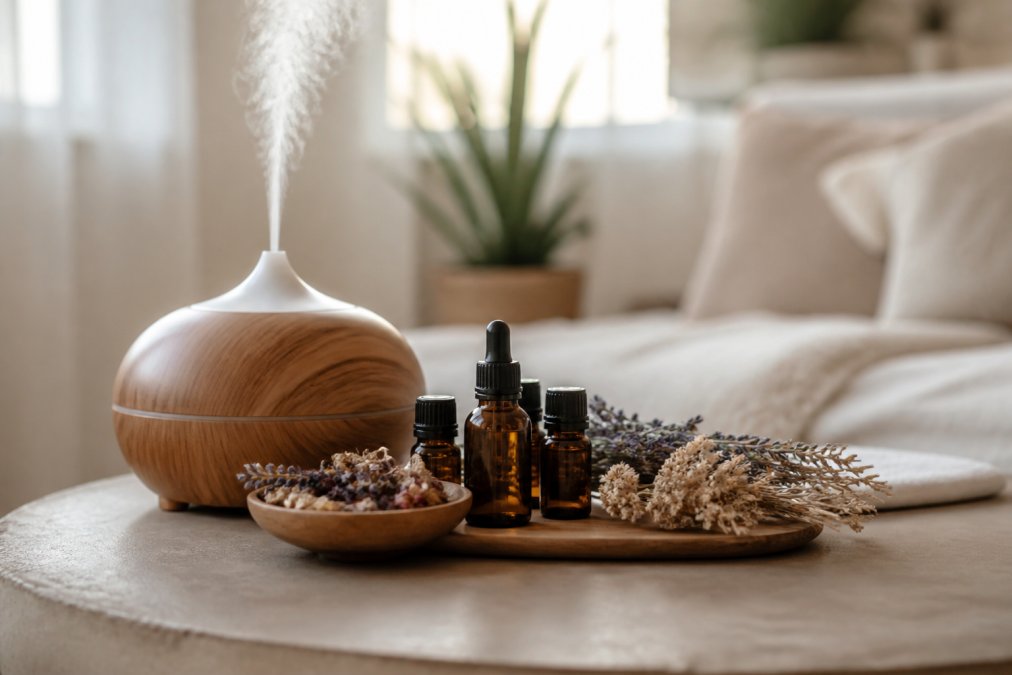
Aromatherapy skincare treats scent as a functional part of the routine, not a finishing touch. The right blend can shift your mood while it conditions your skin.
This is the angle most Luxe and Co alternatives ignore. They copy the packaging and the price point but skip the therapeutic intent behind the scent. We build every formulation around how it makes you feel, because scent is the fastest route to calm.
A practical way to use it:
- Choose a scent profile that matches your goal, such as calming or clarifying.
- Apply after a shower when skin absorbs best.
- Breathe deeply for a few seconds before you move on with your day.
- Use it consistently so your brain links the scent to relaxation.
Consistency is what turns a pleasant smell into a genuine ritual.
Small-Batch Body Care: Consistency, Quality, and Value
Small-batch body care wins on quality control and loses on nothing, provided the maker is organized. The real question is whether you get the same result every time you reorder.
A common worry we hear is that handcrafted means unpredictable. It does not have to. Small batches let a maker inspect more closely than a factory line ever could. The trade-off is that the maker must follow strict measurements and record them.
What separates a good small-batch operation from a sloppy one:
- Documented formulas for every product
- Fixed sourcing so ingredients do not drift
- Realistic production limits instead of rushed volume
- Clear batch dating on the label
On value, the math is simple. You are paying for a shorter supply chain and a maker's time, not a celebrity campaign. For shoppers comparing Luxe and Co alternatives, that reallocation is the whole point.
Luxe and Co Alternatives: A Direct Comparison
The clearest way to choose among Luxe and Co alternatives is to compare what each type of brand actually delivers. The table below summarizes the trade-offs.
| Brand Type | Ingredient Transparency | Batch Consistency | Scent as Therapy | Best For |
|---|---|---|---|---|
| Premium mass brand | Moderate | High | Rarely | Familiar, uniform products |
| Drugstore natural line | Low to moderate | High | No | Budget basics |
| Artisanal small-batch | High | Varies by maker | Often | Personal, values-led buying |
| Keith Clark Collection | High | Documented | Yes | Calm, comfort, and skin health |
Here is our honest read. If you want a product you can grab anywhere without thinking, a mass brand is fine. If you want something made with intent, by a person with bodywork training, the artisanal route is worth it. Keith Clark Collection sits in that last category: handmade in small batches, aromatherapy-powered, and created by a licensed massage therapist using plant-based ingredients and therapeutic botanicals.
What most comparisons miss is that you are not just buying a moisturizer. You are buying a maker's judgment about how a formula should feel and smell. That judgment is hard to fake and easy to feel.
Conclusion
The hard part is not finding a Luxe and Co alternatives list. It is trusting that a smaller maker will deliver consistent quality you can rely on. Keith Clark Collection answers that with handmade small batches, aromatherapy-powered formulations, and plant-based ingredients chosen by a licensed massage therapist. If you want body care that supports calm, comfort, and real skin health, shop by category and find your scent.
Frequently Asked Questions
What are some good alternatives to Luxe and Co?
Shoppers looking for Luxe and Co alternatives often turn to artisanal skincare brands that make plant-based products in small batches. Keith Clark Collection is one option: a licensed massage therapist makes aromatherapy-powered body care and home scents with therapeutic botanicals. Other paths include mid-range natural brands at beauty retailers and direct-to-consumer lines that publish full ingredient lists. Compare product sizes, ingredient sourcing, and return policies before buying.
Which skincare brands offer plant-based ingredients and botanical scents?
Plant-based skincare brands build formulas around oils, butters, and botanical extracts instead of synthetic fragrance or petrolatum. Keith Clark Collection uses plant-based ingredients and therapeutic botanicals across its aromatherapy skincare line. When comparing, check whether scent comes from essential oils or "fragrance" on the label, and look for brands that list every ingredient. Small-batch makers often share more detail about sourcing than mass-market labels do.
Are small-batch skincare products worth trying?
Small-batch body care can deliver fresher products and more attention to formulation, but consistency varies by maker. Ask how often batches are produced, whether recipes are standardized, and what quality checks exist. Keith Clark Collection, for example, is made by a licensed massage therapist in small batches. If you have sensitive skin, request a sample or start with a single product before committing to a full routine.
How do I choose skincare products for a calming self-care routine?
Start with your main goal: deep moisture, muscle relief, or a calming scent experience. Aromatherapy skincare pairs plant-based oils with essential oils like lavender or eucalyptus, so the product supports both skin and mood. Keith Clark Collection designs its line around calm, clarity, and comfort. Patch-test new products, introduce one at a time, and keep a simple three-step routine: cleanse, moisturize, and treat.