 how-to
Natural Remedies for Dry Skin: A Step-by-Step Guide
Table of Contents
- Understanding Dry Skin and What Causes It
- Home Remedies for Dry Skin That Work
- Natural Oils for Dry Skin: Selection and Application
- Perfecting Your Bathing and Cleansing Routine
- Dry Itchy Skin Remedies for Sensitive Areas
- How Long Does Dry Skin Take to Heal?
- Environmental and Lifestyle Adjustments
- When to Seek Medical Advice
- Frequently Asked Questions
Last Updated: October 12, 2026
Understanding Dry Skin and What Causes It
Dry skin, or xerosis, happens when your skin barrier loses moisture faster than it can retain it, leaving skin tight, itchy, and sometimes cracked or flaking.
Wind, low humidity, and dry air accelerate moisture loss, while conditions like eczema or psoriasis and aging reduce your skin's ability to hold water.
Identify YOUR triggers, seasonal, post-shower, or product-related, so you can target the right solution.
Home Remedies for Dry Skin That Work
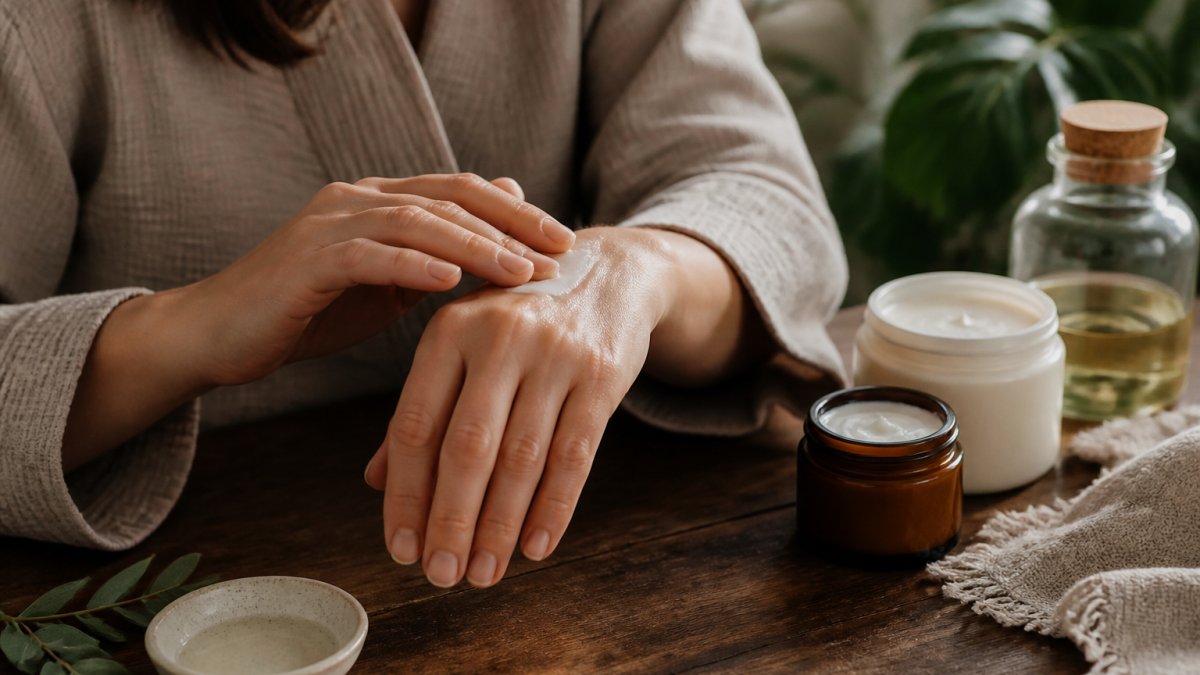
Natural remedies for dry skin replace lost moisture and protect the barrier. The most effective combine hydration with occlusive ingredients that seal moisture in.
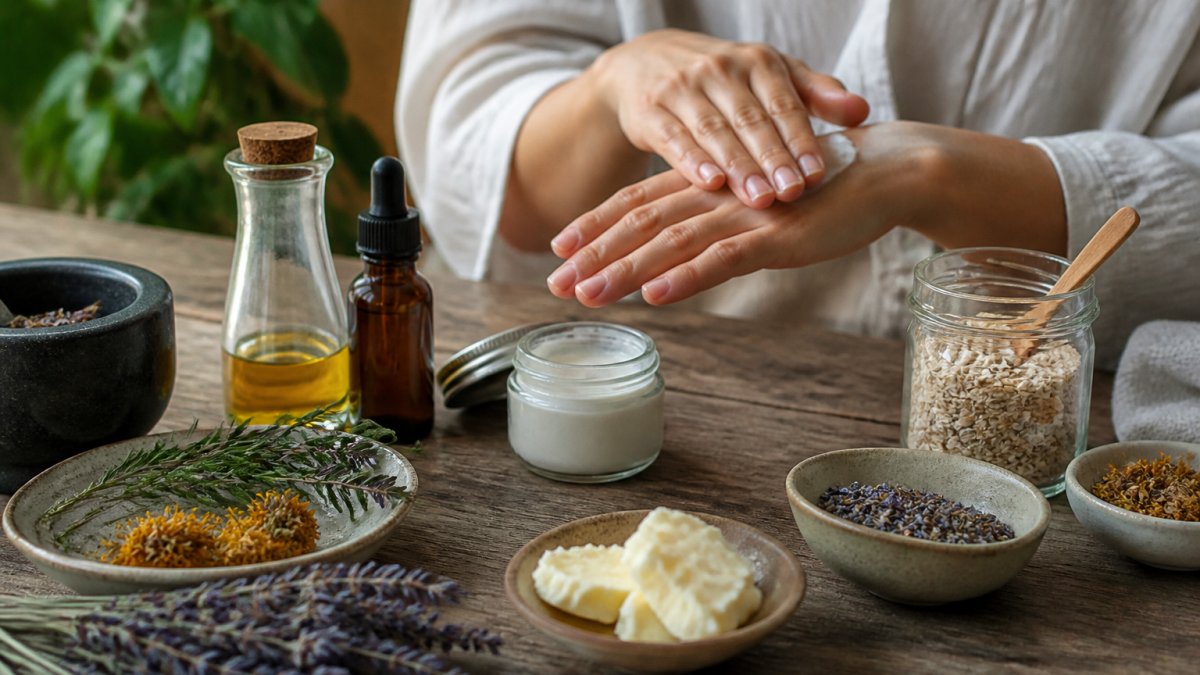
Oatmeal Baths and Colloidal Oatmeal
Colloidal oatmeal, finely ground oat powder that mixes into water, soothes irritation and reduces itching within minutes.
How to use it:
- Add one-half to one cup of colloidal oatmeal to warm (not hot) bathwater
- Soak for 10-15 minutes
- Pat your skin dry gently, leaving it slightly damp
- Apply moisturizer immediately while skin is still moist
The oatmeal creates a protective layer, reduces inflammation, and helps skin retain water. Many people see improvement after one bath.
For dry patches on hands, elbows, or feet, mix colloidal oatmeal with water into a paste, apply for 10-15 minutes, then rinse with lukewarm water.
Plant-Based Oils and Occlusive Ingredients
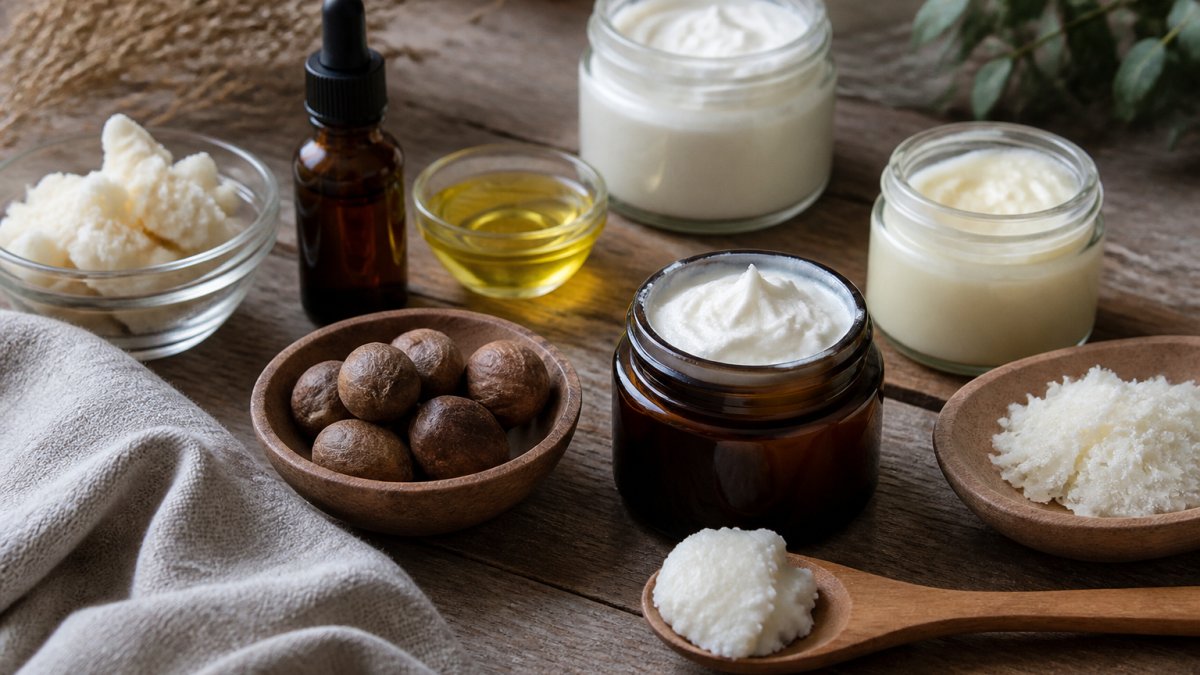
Plant oils trap moisture by forming an occlusive layer that prevents water from evaporating.
The most effective oils for dry skin:
- Sunflower seed oil: Rich in linoleic acid, which strengthens your skin barrier
- Coconut oil: Highly occlusive and absorbs quickly
- Jojoba oil: Mimics your skin's natural sebum
- Almond oil: Lightweight and deeply moisturizing
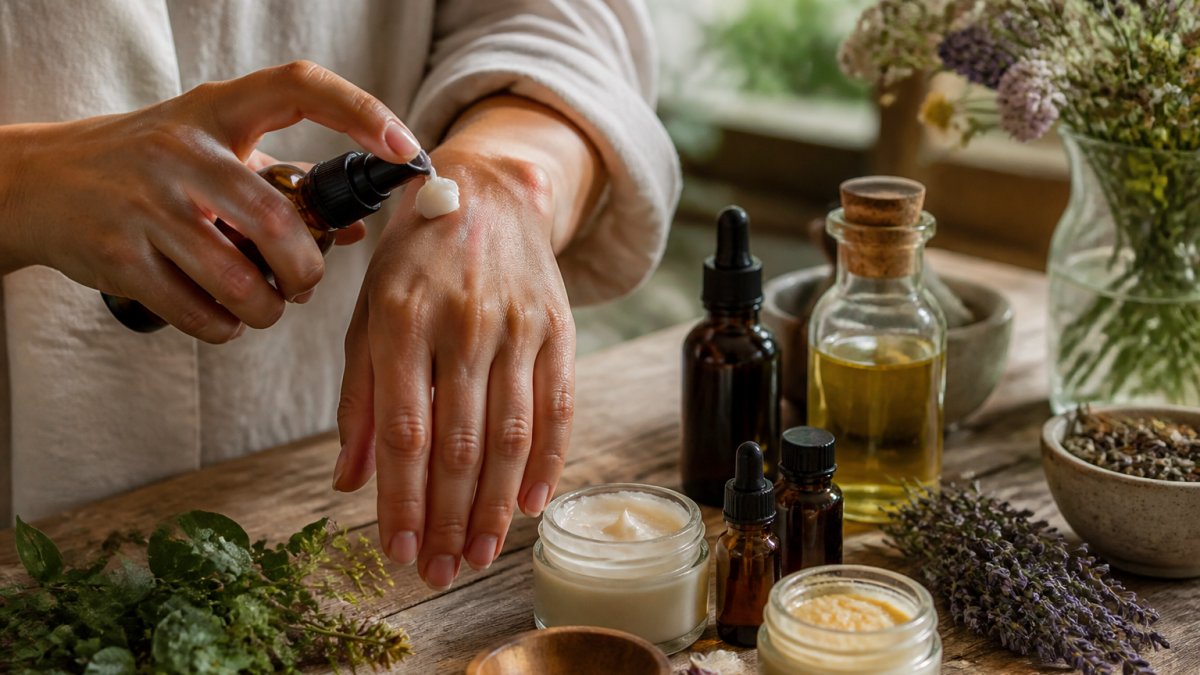
Apply a few drops to damp skin right after bathing to lock in absorbed water, rubbing gently into affected areas.
Petroleum jelly is the gold-standard occlusive, a thin layer on very dry patches at night seals moisture in better than almost anything else.
Honey and Aloe Vera
Honey is a humectant that draws water into skin; aloe vera soothes inflammation and hydrates lightly (pubmed.ncbi.nlm.nih.gov).
Use honey as a face mask:
- Apply raw honey directly to clean, damp skin
- Leave for 10-15 minutes
- Rinse with lukewarm water
- Pat dry and apply a light moisturizer
Apply aloe gel after cleansing, pure from the plant if possible, or products listing aloe first. It absorbs quickly without greasiness.
For best results, apply aloe first, then seal with a thin layer of honey or plant oil.
Natural Oils for Dry Skin: Selection and Application
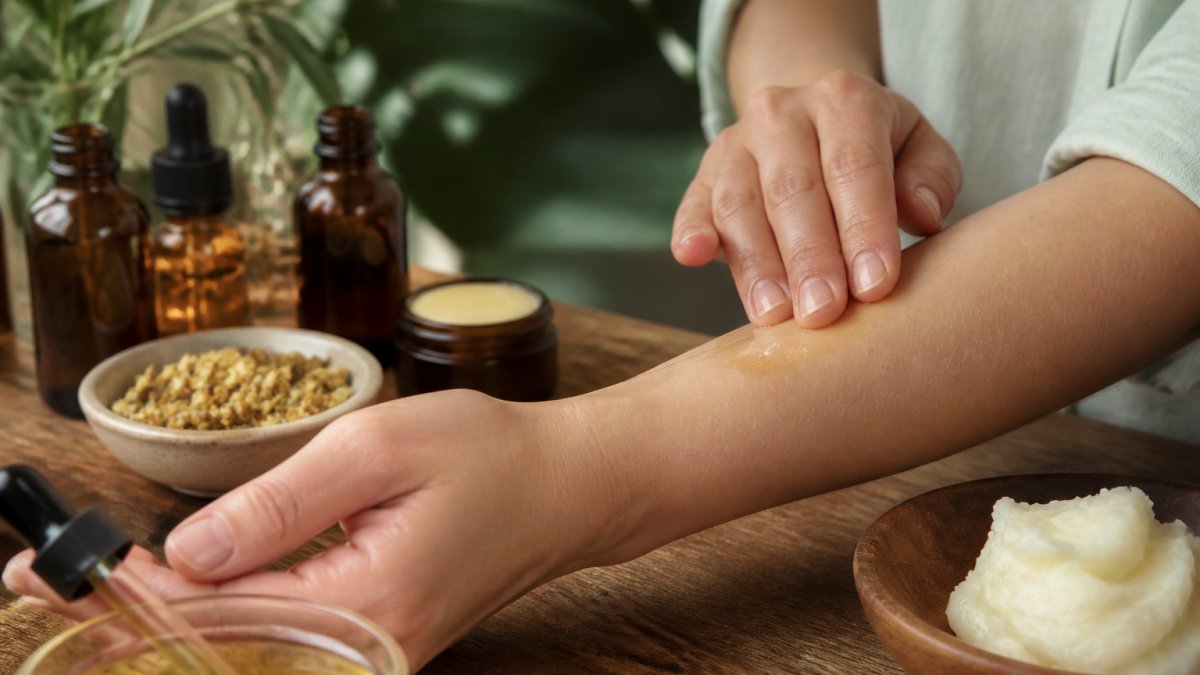
Not all plant oils behave the same. Some are occlusive, forming a film that slows water loss; others are emollient, filling gaps between skin cells; a few are humectants that pull water toward skin.
What the evidence actually supports
- Sunflower seed oil: High in linoleic acid and one of the better-studied botanical oils for barrier support. A reasonable first choice for most people, including many with sensitive skin.
- Petroleum jelly: Not a plant oil, but the most effective occlusive for sealing moisture into very dry or cracked areas. Fragrance-free and well tolerated by most people.
- Jojoba oil: Technically a liquid wax that closely resembles human sebum. Light, non-greasy, and a good option for face and combination skin.
- Coconut oil: Highly occlusive and pleasant to use, but it is comedogenic for some people and can trigger irritation on acne-prone or eczema-prone skin. Patch test before using it on the face.
People often react to an oil not because it's "bad" but because their barrier was already compromised, when skin is cracked or inflamed, almost anything stings. Plain petroleum jelly or a fragrance-free ceramide cream is safer then.
Choosing by skin type and body area
- Face and sensitive areas: 2-3 drops of jojoba or sunflower seed oil, warmed between palms and pressed in. Avoid coconut and olive oil here if you are acne-prone.
- Hands and arms: 5-10 drops of sunflower or almond oil, massaged in circular motions. Reapply after every hand wash.
- Feet, elbows, and knees: These areas tolerate heavier occlusion. Apply a thick layer of petroleum jelly or coconut oil, then cover with socks or cotton gloves overnight.
- Widespread dryness: A thin layer of sunflower seed oil over damp skin after bathing, followed by a fragrance-free cream, covers more surface area than spot-treating each patch.
Application matters as much as the oil itself
Always apply to damp (not dripping) skin: the water acts as a base layer and the oil seals it in, hydrating far better than oil alone.
Let oil absorb about 5 minutes before dressing; if it still feels greasy, use fewer drops next time.
Rotate oils seasonally: heavier occlusives like coconut oil or petroleum jelly in winter, lighter jojoba or sunflower seed oil in spring and summer.
Perfecting Your Bathing and Cleansing Routine
What actually helps is a repeatable daily sequence. Here's a practical routine by time of day, with reasoning so you can adjust it to your skin and climate.
Morning: protect what you have
- Rinse with lukewarm water only unless visibly dirty or sweaty, dry skin has little oil to spare.
- Pat, don't rub, dry, leaving skin slightly damp.
- Apply a light moisturizer within about 60 seconds; damp skin absorbs it better.
- Seal with a thin layer of oil or balm on tight areas like cheeks, hands, or knuckles.
- Apply sunscreen outdoors, sun damage weakens the barrier over time.
Bathing or showering: the middle step
- Water temperature: Lukewarm, not hot, hot water strips natural oils faster.
- Duration: Showers 5-10 minutes; baths 2-3 times weekly, max 15 minutes.
- Cleanser: Fragrance-free, sulfate-free, only on face, underarms, groin, and feet; rinse the rest.
- Order: Cleanse, rinse, pat dry, moisturize, never let skin air-dry completely first.
Evening: repair overnight
- Remove sunscreen and makeup with a gentle cleanser or micellar water; don't scrub.
- Apply a hydrating layer, aloe, glycerin serum, or light humectant, to damp skin.
- Seal with a heavier moisturizer or occlusive; petroleum jelly on very dry patches is hard to beat.
- For hands and feet, apply thickly and cover with cotton gloves or socks, the most effective overnight treatment for cracked heels and dry knuckles.
- Run a humidifier while you sleep, aiming for 30-50% indoor humidity; an inexpensive hygrometer confirms the range.
How this changes with severity
- Mild: The routine above once daily; expect improvement in 3-5 days.
- Moderate: Add a mid-day moisturizer reapplication to hands and tight areas; expect 1-2 weeks.
- Severe, cracked, or inflamed: Shorten showers, switch to plain petroleum jelly or a fragrance-free ceramide cream, and avoid exfoliants, acids, and essential oils until the barrier recovers. If it doesn't improve in 2-4 weeks, see a clinician, persistent cracking can signal eczema or another condition needing more than home care.
Measurable targets to aim for
- Indoor humidity: 30-50%. Below 30% accelerates moisture loss; above 50% can encourage mold and dust mites.
- Shower length: 5-10 minutes.
- Water temperature: Lukewarm, comfortable but not steamy.
- Time from pat-dry to moisturizer: Under 60 seconds.
- Cleanser frequency: Once daily for most people; twice only if you are visibly dirty or sweaty.
These are starting points, not rules, dry climates may need higher humidity, oily skin less frequent cleansing. Adjust based on how your skin feels over a week, not a single day.
Dry Itchy Skin Remedies for Sensitive Areas
Hands, face, and other sensitive areas need extra care. These zones have thinner skin and fewer oil glands.
For feet: soak 5 minutes in warm water, apply petroleum jelly or a thick plant oil, then wear socks overnight, feet respond well to intensive overnight treatment.
For sensitive skin: introduce one remedy at a time, slowly, patch testing first, a compromised barrier reacts more easily to new ingredients.
How Long Does Dry Skin Take to Heal?
The cause matters too: seasonal dryness resolves as humidity rises, harsh-cleanser dryness improves once you switch products, and conditions like eczema need longer-term management.
Consistency beats perfection, a basic daily routine outperforms occasional remedies. Stick with your approach at least 2 weeks before judging it.
Improvement comes in stages: itching eases first, then flaking reduces, then skin feels smoother and looks less irritated.
Environmental and Lifestyle Adjustments
Your environment either supports healing or works against it. Make these changes alongside your skincare routine.
Protect from wind and cold: Wear gloves and cover exposed skin in winter.
Stay hydrated: Drink water throughout the day.
Manage stress: Stress worsens inflammation and dryness, practice stretching, meditation, or time outdoors.
At Keith Clark Collection, we understand that true skin health combines the right products with lifestyle support.
When to Seek Medical Advice
Most dry skin responds to home care within 2-4 weeks. See a doctor if:
- Dryness worsens despite consistent home treatment
- Severe itching interferes with sleep or daily life
- Skin shows signs of infection (warmth, oozing, pus)
- Dry patches are painful or bleeding
- Dryness appears suddenly without an obvious cause
A dermatologist can tell whether your dryness is simple dehydration or a condition needing prescription treatment, and recommend products for your skin type.
Dry skin is common and usually manageable with natural remedies for dry skin and routine adjustments. Most people see real improvement within weeks.
Dry skin doesn't have to mean compromising on what you put on your body.
Frequently Asked Questions
How can I soothe dry, itchy skin at home?
Start with a warm (not hot) bath or shower lasting 5-10 minutes, then pat your skin dry while still slightly damp. Apply a natural moisturizer immediately, plant-based oils like sunflower seed oil or coconut oil work well. For immediate itch relief, try a colloidal oatmeal bath or apply aloe vera gel to affected areas. Keep your skin hydrated by using a humidifier, especially in dry seasons, and avoid harsh soaps that strip your skin barrier.
Can natural oils really help with dry skin?
Yes. Natural oils act as occlusives, sealing moisture into your skin. Sunflower seed oil, coconut oil, and plant-based emollients prevent water loss and reduce irritation. Apply them to damp skin after bathing for best results. However, choose oils carefully if you have sensitive skin, some may trigger allergic reactions. Patch test first, and if you have persistent dryness despite oil use, consult a dermatologist to rule out underlying conditions.
How long does dry skin take to heal with natural remedies?
Most people see improvement within 1-2 weeks of consistent care: daily moisturizing, gentle cleansing, and warm (not hot) showers. Severely cracked or inflamed skin may take 3-4 weeks. Environmental factors matter, dry air, cold weather, and wind exposure slow healing. If your skin doesn't improve after 3-4 weeks of diligent home treatment, or if itching worsens or spreads, see a healthcare provider to rule out dermatitis or other underlying conditions.
What natural remedies are safest for sensitive or allergy-prone skin?
Colloidal oatmeal and honey are generally well-tolerated by sensitive skin. Aloe vera soothes inflammation effectively. For oils, start with small amounts of sunflower seed oil or jojoba oil on a patch of skin first to check for reactions. Avoid fragrance-free products that contain essential oils if you have fragrance sensitivity. Plant-based ingredients are gentler than synthetic chemicals, but individual allergies vary, always patch test new remedies and discontinue if redness, swelling, or increased itching occurs.